Sell Your House in 2025: Beat The Property Agent's Guide
Sell That House: The Essential Guide for 2025
The UK housing market is shifting rapidly, and sellers need to keep pace to achieve the best outcomes. Are you prepared to sell that house in 2025, making the most of new trends, technology, and buyer expectations?
This essential guide gives you the latest strategies, up-to-date data, and a step-by-step approach to help you succeed. Whether you choose a traditional agent or go it alone, you'll discover how to maximise your profit, reduce stress, and navigate every stage with confidence.
Explore insights on market trends, preparing your property, pricing, marketing, negotiation, and closing. Get ready to take control of your sale and unlock the full potential of your property journey.
Understanding the 2025 UK Property Market
The property landscape is evolving rapidly, making it critical to understand what shapes your chances to sell that house in 2025. From economic shifts to digital-first buyers and new legal rules, informed sellers will thrive. Let us explore the key changes and opportunities that define the modern UK market.
Key Market Trends Shaping 2025

Economic recovery is driving renewed confidence, but fluctuating interest rates influence how quickly you can sell that house. According to the Office for National Statistics and Zoopla, property values are forecast to rise modestly in 2025, with London expecting a 3% increase, while Manchester could see up to 5% growth.
Regional hotspots are emerging as buyers seek value beyond the capital. New demographics, such as young professionals and remote workers, are reshaping demand. For a comprehensive overview of these shifts, consult the UK Real Estate Market Outlook 2025, which details projected trends and regional comparisons.
Buyer Expectations & Behaviour
Buyers today expect seamless, digital-first experiences when they set out to sell that house or purchase a new one. Remote viewings and virtual tours have become the norm, allowing for flexible schedules and wider reach.
Energy efficiency is a top priority, with many buyers searching for homes with upgraded insulation, smart heating, and solar panels. Flexible living spaces, such as home offices or adaptable rooms, are also in high demand following the pandemic. Sellers who cater to these preferences can attract more interest and achieve faster results.
Regulatory & Legal Updates
The legal landscape for selling property is shifting in 2025. New Energy Performance Certificate (EPC) requirements and stricter green standards mean you must ensure your home meets updated benchmarks before you sell that house.
Leasehold reform is simplifying the sales process and making it more appealing for both buyers and sellers. Stamp duty changes may also affect your bottom line, so staying informed about thresholds and reliefs is essential. Failing to comply with these regulations could delay your sale or result in fines.
Technology & Selling Platforms
Technology is transforming how you sell that house, with more sellers turning to online-only estate agents and proptech platforms. Virtual tours, AI-powered valuations, and blockchain-based conveyancing are streamlining the sales process and increasing transparency.
Recent data shows that 40% of property sales in 2024 began through online platforms, reflecting the growing trust in digital solutions. Sellers who embrace these tools can reach a wider audience and benefit from faster, more efficient transactions.
Challenges & Opportunities for Sellers
The 2025 market presents both challenges and opportunities for anyone looking to sell that house. Increased competition and greater buyer scrutiny mean that preparation and adaptability are vital.
Direct-to-buyer and agent-free sales are becoming more popular, offering greater control and potential savings. However, sellers must be proactive, tech-savvy, and responsive to market changes to stay competitive. Embracing new strategies will position you to achieve the best possible outcome.
Preparing Your Property for a Successful Sale
Getting your home ready to sell that house is all about planning, preparation, and presentation. Each step you take increases your chances of a smooth, profitable sale. Let’s break down exactly how to put your best foot forward.
Decluttering, Repairs, and Staging
First impressions are crucial when you want to sell that house. Begin by decluttering each room, removing personal items, and creating a sense of space.
Focus on essential repairs, such as fixing leaky taps, squeaky doors, and cracked paint. Prioritise high-ROI improvements like fresh paint, updated lighting, or modern handles.
Consider home staging, which can increase your sale price by an average of 8%. A staged, tidy home feels more inviting and helps buyers imagine themselves living there.
Remove excess furniture
Tidy up gardens and entrances
Add fresh flowers or scented candles
Making these changes ensures your property stands out.
Professional Photography & Virtual Tours
To successfully sell that house, invest in high-quality photography and virtual tours. In today’s digital market, visuals are your first handshake with buyers.
Listings featuring professional photos and virtual tours receive up to 30% more enquiries, according to Zoopla. While DIY photos can work with good lighting and a smartphone, hiring a professional ensures the best angles and editing.
Tips for standout visuals:
Shoot on sunny days for natural light
Highlight key features like fireplaces or views
Consider a 3D or video walkthrough
Strong visuals encourage more viewings and stronger offers.
Energy Performance & Legal Documents
Buyers in 2025 expect properties to meet new EPC standards. To sell that house without delays, ensure your Energy Performance Certificate is current and compliant.
Gather crucial documents early:
Title deeds
Planning permissions
Guarantees and warranties
Missing paperwork or an expired EPC can result in fines and stall your sale. Being organised builds buyer confidence and speeds up the process. Double-check all legal requirements before listing your property to avoid last-minute issues.
Choosing the Right Selling Method
In 2025, you have more choices than ever to sell that house. Compare traditional estate agents, online agents, and self-selling platforms to find the best fit.
METHOD COST CONTROL SUPPORT
Traditional Agent High Low Full
Online Agent Medium Medium Partial
Self-Selling Low High Variable
Traditional agents offer hands-on help but charge higher fees. Online agents provide some support at a lower cost. Self-selling platforms put you in control, often for a fixed fee. Weigh your priorities for cost, convenience, and autonomy.
Pricing Your Property Competitively
Accurate pricing is essential when you want to sell that house quickly and profitably. Use online valuation tools and research recent sales in your area to find a realistic price point.
Avoid the risks of overpricing or under pricing. Properties priced correctly sell 50% faster, according to Rightmove. Consult local market data and consider professional valuations for added confidence.
Regularly review your price if you’re not getting interest. A slight adjustment can make your listing more attractive and help you secure the best possible deal.
Empowering Sellers with Beat The Property Agent
Beat The Property Agent empowers you to sell that house independently, affordably, and with full control. The platform offers a step-by-step selling process, an open directory of property professionals, and educational guides.

With transparent pricing from £99 and no agent commissions, you stay in charge of every decision. Many sellers have saved thousands in fees while enjoying comprehensive support. For a detailed roadmap on how to sell that house yourself, see the Selling your house step-by-step page.
Take advantage of these tools and resources to maximise your profit and experience a smoother sale.
Creating a Winning Marketing Strategy
A strategic marketing plan is essential if you want to sell that house quickly and profitably in 2025. With more buyers searching online and higher expectations for property presentation, your approach must be both creative and data-driven.
Crafting an Irresistible Listing
To sell that house, your listing must stand out from the crowd. Start with a compelling, honest description that highlights your property's unique selling points, such as spacious layouts, period features, or recent refurbishments.
Include essential details buyers care about: catchment areas for top schools, proximity to transport links, and nearby amenities. Local insights add value, as listings that mention neighbourhood highlights attract 25% more views. Make every word count by focusing on what sets your home apart.
Maximising Exposure Online and Offline
Getting maximum exposure is vital if you want to sell that house efficiently. In 2025, the top property portals include Rightmove, Zoopla, and OnTheMarket, alongside emerging disruptors.
Leverage social media advertising on platforms like Facebook, Instagram, and TikTok, where property trends and video tours draw attention. Do not overlook offline methods: traditional for sale boards, flyers, and community notice groups still play a pivotal role, especially in local markets. A multi-channel approach ensures your property reaches the broadest audience.
Photography, Video, and Virtual Viewings
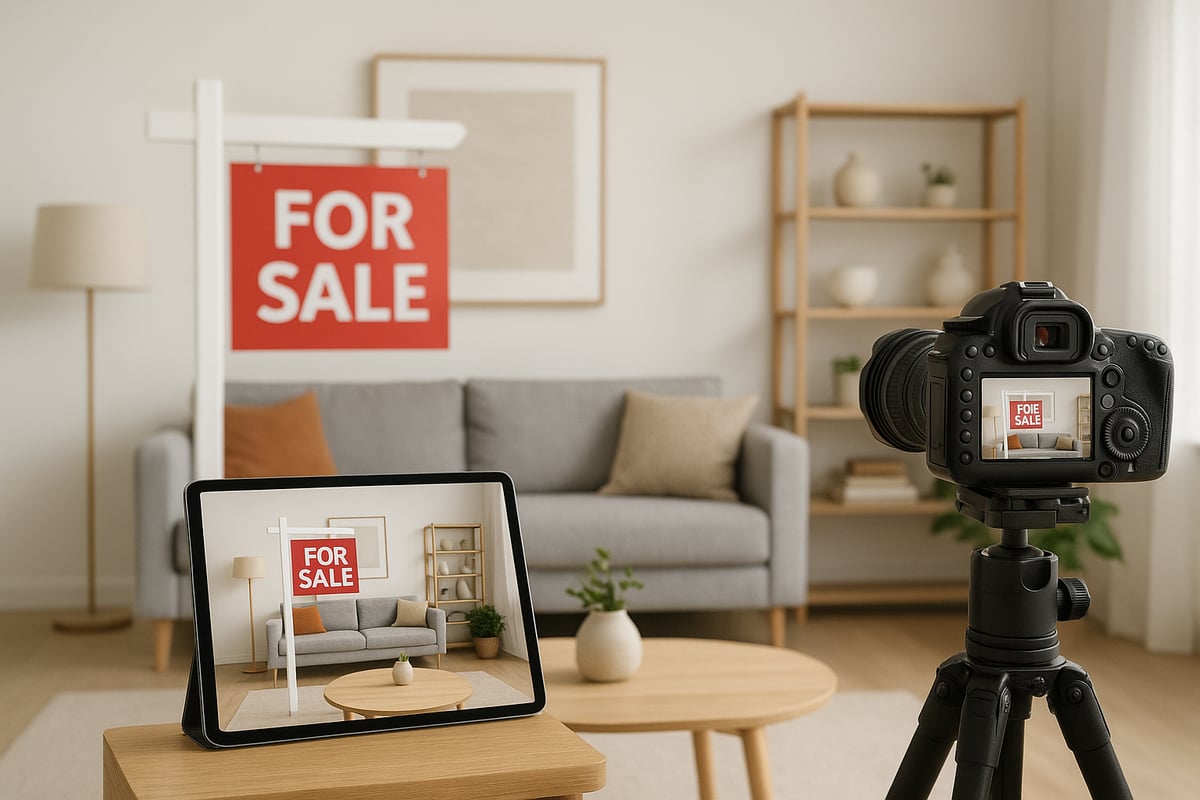
High-quality visuals are indispensable if you aim to sell that house at the best price. Integrate professional photography with video walkthroughs and 3D virtual tours to showcase your property's full potential.
Listings with virtual tours receive 30% more enquiries, and 70% of buyers shortlist homes after a virtual viewing. If you are considering creating your own visuals, weigh the benefits of hiring a professional. For those seeking expert help, floor plan and virtual tour services can provide an edge in today’s digital marketplace.
Hosting Viewings and Open Days
To sell that house successfully, prepare your home thoroughly for both in-person and virtual viewings. Ensure it is clean, clutter-free, and inviting, with key features highlighted.
Manage appointments efficiently to accommodate buyers’ schedules. Hosting an open day can be particularly effective in competitive markets, generating multiple offers in a short period. Whether online or face to face, every viewing is an opportunity to impress and convert interest into serious offers.
Responding to Enquiries and Feedback
Prompt, courteous communication is crucial if you want to sell that house without delays. Respond quickly to all enquiries, providing clear answers and additional information as needed.
Use buyer feedback to refine your marketing or presentation strategy. Adjusting your approach based on constructive comments can make a significant difference. Remember, responsiveness not only builds trust but can also accelerate the entire sale process.
Navigating Offers and Negotiations
Securing the best offer is a pivotal stage when you want to sell that house. The negotiation process can be complex, but understanding your options and preparing for each scenario will put you in control. Let us break down the key elements you need to master for a successful sale.
Understanding Different Offer Types
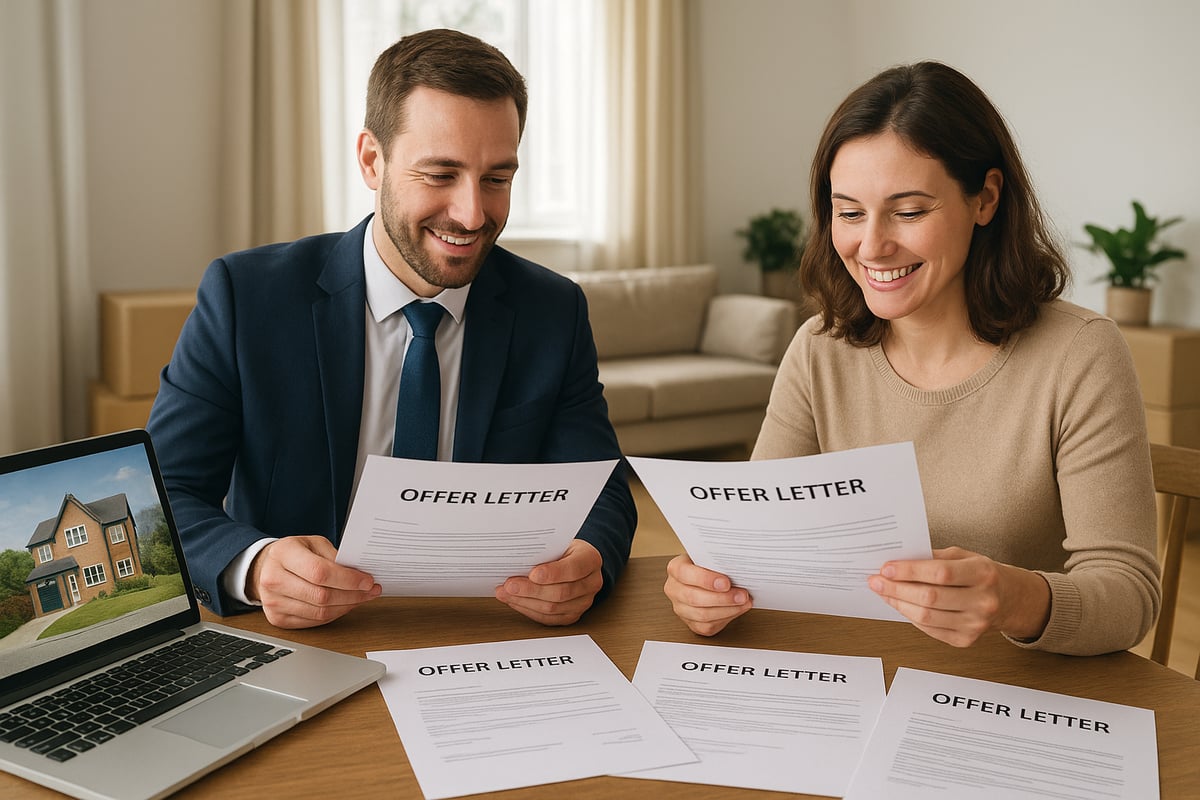
When you aim to sell that house, it is crucial to recognise the main types of offers you might receive. Buyers can be cash purchasers, chain-free, or reliant on mortgage approval. Each has different implications for speed and reliability.
OFFER TYPE PROS CONS
Cash Buyer Fast completion, fewer complications May offer below asking price
Chain Free Fewer dependencies, quicker process Limited pool of buyers
Mortgage-Dependent Often higher offers Risk of finance falling through
Recent data shows cash buyers make up 25% of UK transactions (Halifax 2024). Understanding these differences helps you choose the best route to sell that house efficiently.
Negotiation Tactics for 2025
To sell that house for the best price, you need a clear negotiation strategy. Set your minimum acceptable price and decide how much flexibility you have. Be prepared for multiple offers or even bidding wars, especially in high-demand markets.
In 2025, sealed bids are increasingly common in hotspots, ensuring fairness and transparency. Stay calm, weigh each offer carefully, and do not be afraid to negotiate. Multiple offers can boost your final price when you sell that house, so manage the process with confidence.
Assessing Buyer Credentials
Before you accept an offer to sell that house, verify the buyer's credentials. Always request proof of funds for cash buyers or a mortgage agreement in principle for those needing finance. Watch for red flags like slow responses, changing terms, or missing documentation.
A diligent approach to buyer checks reduces the risk of your sale collapsing. When you want to sell that house effectively, due diligence is your best safeguard against disappointment.
Accepting an Offer: What Happens Next
Once you accept an offer to sell that house, the formal process begins. Draft a memorandum of sale and instruct solicitors to handle the legal side. The typical UK timeline for completion is 12 to 16 weeks, depending on how quickly all parties respond.
Here is what to expect:
Draft contracts are exchanged.
Searches and enquiries are completed.
Completion date is set and agreed.
Keep communication open to ensure a smooth journey as you sell that house.
Dealing with Gazumping and Gazundering
Gazumping (when a seller accepts a higher offer after agreeing a sale) and gazundering (when a buyer lowers their offer late in the process) are risks in the UK market. In 2025, one in five sales is affected by these tactics (Which? 2023).
Protect your sale when you sell that house by:
Using lock-in agreements.
Maintaining transparency with all parties.
Seeking professional advice if issues arise.
For more guidance, consult the Frequently asked selling questions to better navigate complex negotiations and protect your interests.
Managing the Legal and Financial Process
Navigating the legal and financial steps is vital when you prepare to sell that house. Getting this stage right ensures a smooth transfer of ownership, avoids unnecessary delays, and helps you maximise your net proceeds. Let’s break down each step so you can approach your sale with confidence and clarity.
Choosing the right conveyancer or solicitor is a crucial first step when you sell that house. A conveyancer will handle contracts, property searches, and the transfer of funds. You can select a local solicitor for face-to-face service or an online conveyancer for convenience and often lower costs.
A quick comparison of fee structures:
Service Type Typical Fee Structure Pros Cons
Local Solicitor Hourly or fixed-fee Personal service May cost more
Online Conveyancer Fixed-fee Often cheaper Less personal touch
To find trusted professionals, consult the Property professionals directory for reputable conveyancers and solicitors in your area. This decision sets the tone for the rest of your transaction, ensuring legal matters are handled efficiently as you sell that house.
Understanding the Conveyancing Timeline
The conveyancing process typically unfolds over 8 to 12 weeks when you sell that house. Key stages include drafting the contract, conducting local authority searches, responding to buyer enquiries, exchanging contracts, and finally, completion.
Delays can arise from incomplete paperwork, slow responses, or issues uncovered in searches. Being proactive, responsive, and organised can help you stay on track. Knowing the timeline and communicating with your chosen legal professional helps you anticipate next steps and avoid unnecessary waiting periods during your journey to sell that house.
Handling Surveys and Valuations
Buyers will often commission a survey after you accept an offer to sell that house. The main types are:
HomeBuyer Report
Building Survey
Specialist Reports (damp, asbestos, etc.)
If a survey reveals issues, be prepared for renegotiation or repair requests. According to recent data, survey findings affect around 30% of agreed sales. Addressing problems quickly and transparently helps keep your sale progressing. Having all relevant documentation ready demonstrates your commitment and can give buyers confidence as you sell that house.
Settling Outstanding Mortgages and Liabilities
Before completion, you must settle your mortgage and any outstanding liabilities tied to the property. Contact your lender for a redemption figure and check for early repayment charges. Remember to clear service charges, ground rent, and council tax before you sell that house.
Clear financial records and prompt settlement of debts ensure there are no last-minute surprises. This diligence can speed up completion and reduce stress, helping you focus on your next move with peace of mind.
Moving Out and Handover Logistics
Organising your move is the final practical step as you sell that house. Arrange removals early, notify utility providers, and schedule final meter readings. Prepare an inventory and ensure all keys are ready for handover.
A moving day checklist:
Confirm removal company booking
Pack essentials separately
Check all rooms before leaving
Leave manuals and warranties for new owners
These simple steps help ensure a smooth transition for both you and the buyer, marking a successful conclusion to your effort to sell that house.
Avoiding Common Pitfalls and Maximising Your Profit
Successfully navigating the sale of your home means being proactive at every step. To truly sell that house quickly and profitably, you need to avoid common mistakes that can cost both time and money. Here is how you can stay ahead and secure the best outcome.
Recognising and Preventing Sale Delays
Many transactions stall due to missing paperwork, slow buyer responses, or unexpected legal issues. To sell that house without unnecessary setbacks, prepare all documents early and keep in touch with your solicitor.
Common causes of delays include incomplete forms, unresolved title queries, and late surveys. Solutions involve setting calendar reminders, chasing up all parties regularly, and double-checking for errors. According to the UK Property Market Report - 2025, almost 30% of sales fall through due to preventable issues, so staying organised is crucial.
Reducing Costs Without Cutting Corners
Saving money is a priority, but cutting corners can backfire. To sell that house efficiently, compare agent fees, negotiate conveyancer rates, and consider fixed-fee or DIY platforms.
Use free online tools to research local prices and services. Many sellers reduce expenses by choosing transparent, fixed-price packages and negotiating extras. For example, reviewing contracts carefully and only paying for what you need can save thousands. Smart budgeting keeps your profit intact.
Capitalising on Tax and Incentives
Understanding your tax obligations is essential when you sell that house. Capital Gains Tax may apply if the property is not your main residence, but exemptions and reliefs can boost your net return.
Stay alert for new government incentives, especially those targeting green upgrades in 2025. Planning improvements that qualify for grants or tax reliefs can add value and reduce costs. Early preparation ensures you do not face surprise bills at completion.
You've seen just how much control and confidence you can have when selling your home in 2025 - from understanding market shifts to choosing the best method for your situation. If you're ready to put these strategies into action and want to keep more of your hard-earned profit, why not take the next step? With transparent pricing, complete autonomy, and expert support, you can navigate the selling process with clarity and ease. Make your move towards a smarter, more rewarding sale - Sell your home on BTPA.
